If you are considering entering the 2012 National Geographic Channel & World Nomads Travel Photography Scholarship to Oman captioning your images is one way to be sure that you remain in the running to win.
Creating captions and metadata for your images is crucial. For me, decades down the track my brain has lost the ability to remember who I am let alone what the hell that plant was in that rocky gorge, in whatever the hell that country was called…

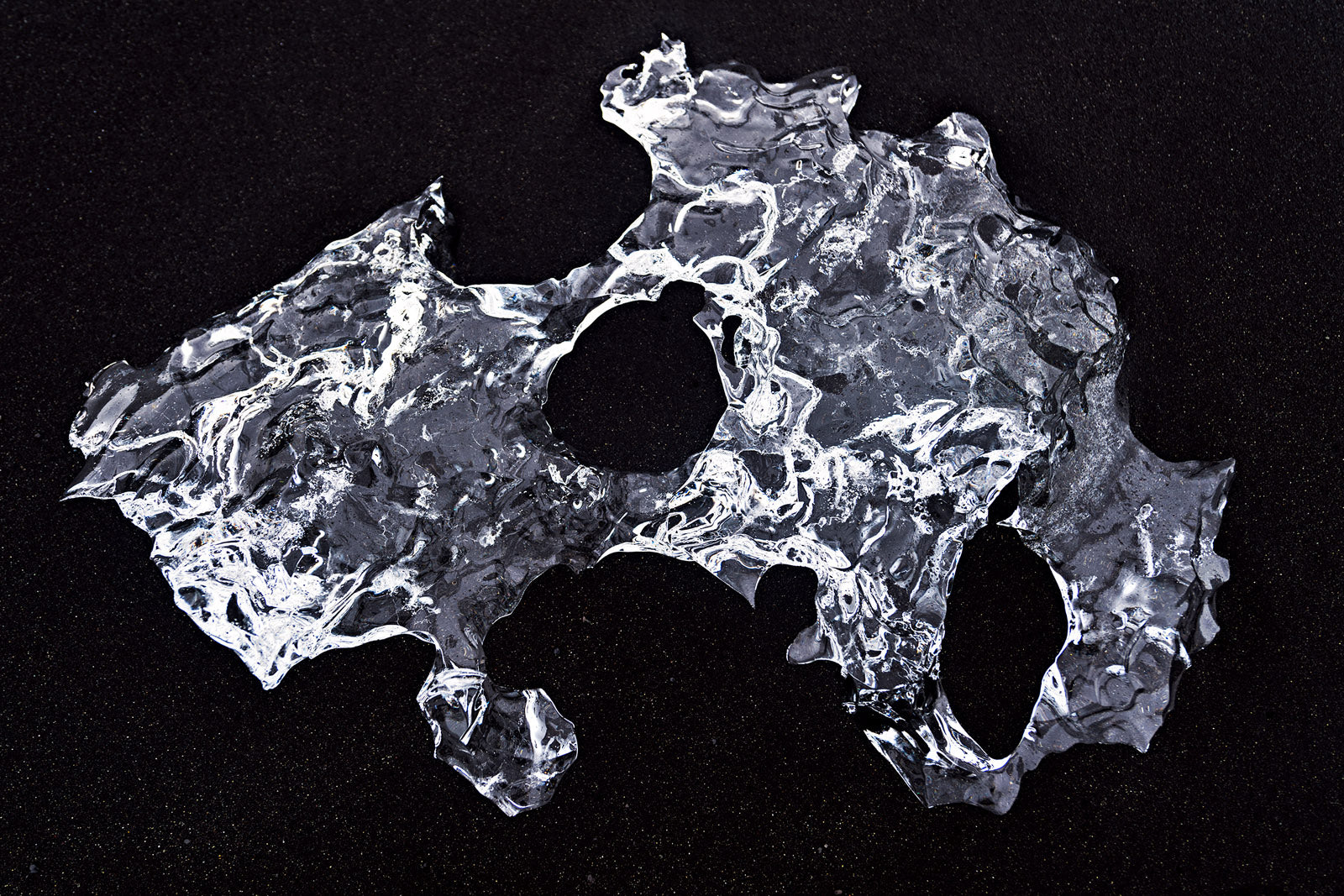
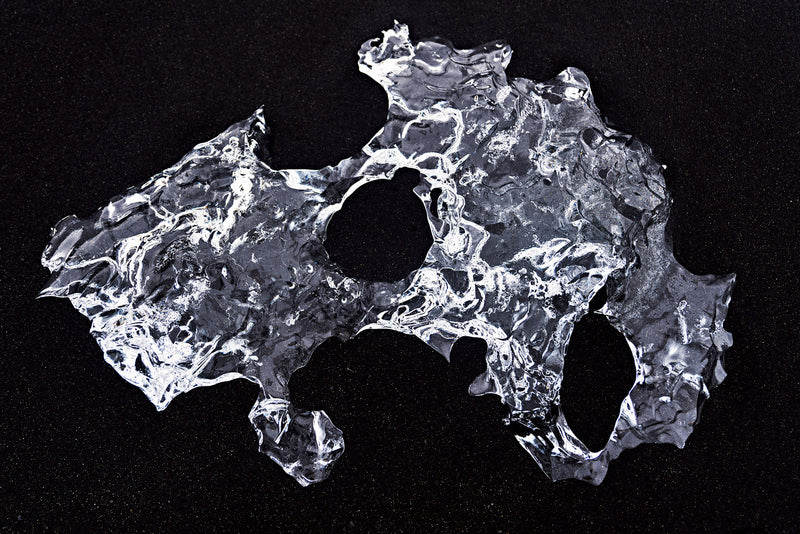
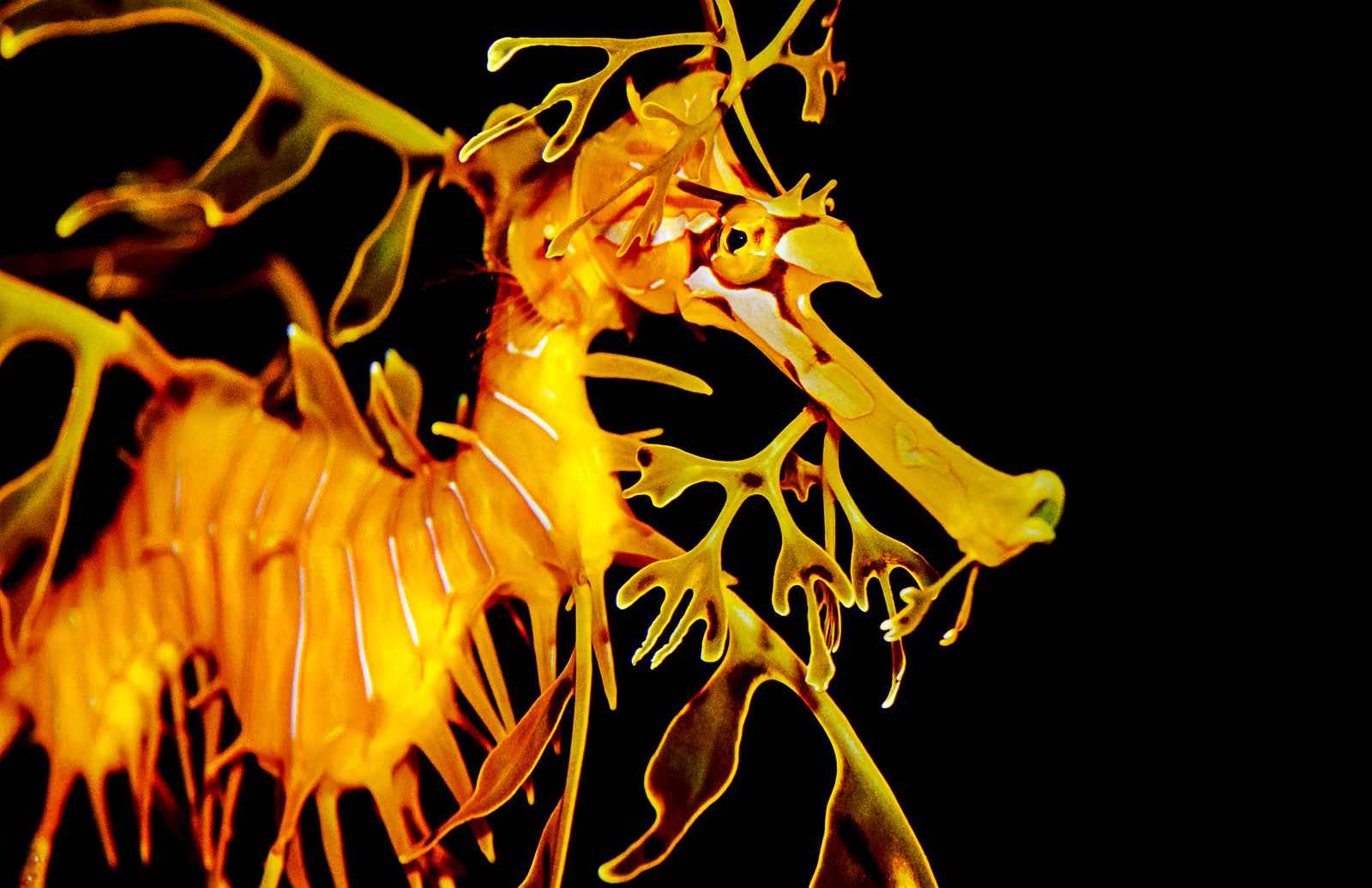
Cold seas were forced ashore by a cyclone hovering over the Solomon Islands thousands of kilometres away. Many creatures were carried in the currents including this unusual Sea Jelly. Beneath its bell was an exquisite mosaic of tendrils and flesh swaying and dancing in the cold currents. Merimbula, New South Wales Australia
My assistant Katie is drilling me every time I don’t put at least location data into the files and for good reason. On average I complete 5-10 shoots a year give or take, and by the time I get around to edit I may have literally photographed in dozens of locations. Multiply that over 2-3 years and there is no way I can recall where I shot the image without serious meditation, not a bad thing, or tracking field assistants down, a nightmare. The obvious point here is geo tagging but in short I don’t do it and will explain why in another post.
So having outed myself as being lacklustre in creating the aforementioned information make no mistake it does happen in the end. In fact, for every image of mine that National Geographic archives we create hundreds of keywords so that the future generations can search and find my images for a variety of purposes. Last year we generated hundreds of thousands of keywords, which took months just to identify all of the species.
Why do I give this advice? Time flies, seriously it does! When you are shooting frames as a teenager your twenties seem like the distant future let alone your thirties, forties and where’s the scotch?… But life flows rapidly and you will fill your mind with countless experiences and memories. YOU WILL NOT REMEMBER EVERYTHING ABOUT THOSE WONDERFUL PHOTOGRAPHS! So do yourself a favour and get into the habit of putting just a little information into the IPTC data or onto a spreadsheet somewhere, even if it’s only the location and a name.
So what about your entries for the 2012 National Geographic Channel & World Nomads Travel Photography Scholarship to Oman? Well I’m not expecting hundreds of words of metadata but I am demanding image captions. The image captions need to tell me a little about the photograph; what it contains, what’s happening, where is it, any anecdotal or interesting facts. This is not rocket science you were there taking the picture so it should be pretty straightforward.
If you’re uncertain about what the image contains do a little research and if you happen to get it wrong I won’t give you a zero! But please remember the captions are part of the judging process and giving me nothing will earn you zero points for that judging criteria. Other captions that won’t rank highly are things like “Cow” I would never have guessed, “Temple in India” that must be why there are lots of Hindu people there… Have a look at the caption for the chicken image on my previous post, it’s easy and doesn’t require a lot of information to tell a Judge or Editor all they need to know.
It’s unreasonable to expect anyone else to know or understand what is happening in your images you must give them some information. This becomes more important the more ambiguous the image. Take the image in this article of the Sea Jelly bell. I inserted the macro lens inside a sea jelly as it floated by but if I didn’t tell you what it was you might never know. Make you captions short, clear and concise and they will serve you well when your mind cannot remember that 1/60th sec image captured twenty-eight years ago!
Best
Jason